
Mastering Financial Basics: From Income to Generational Wealth
We live in a world where the illusion of wealth is everywhere. Most people believe the cash in their wallet, the numbers in their banking app, or the car in the driveway is real wealth. It isn't — and that confusion is the trap 99% of hard-working people fall into.
True financial literacy isn't knowing how to count money. It's understanding the hidden matrix of the economy: why people trade time for a paycheck, why inflation keeps rising, and why some people stay broke their whole lives despite six-figure salaries. Let's strip away the jargon.
1. What money actually is
Thousands of years ago we relied on barter. If you grew wheat and needed milk, you had to find a dairy farmer who specifically wanted wheat — the 'double coincidence of wants'. And how many bags of wheat equal one cow? You can't divide a living cow to buy vegetables. Money solved that friction. It does three jobs:
- Medium of exchange — you give value, get money, and trade it for what you want.
- Unit of account — a universal measuring stick for what things are worth.
- Store of value — it bottles up today's effort to spend years later.
“Money itself is not wealth. It's stored effort and stored choices — and whoever controls it commands the time and labour of others.”
2. Two mindsets — income vs wealth
The Consumer works incredibly hard but doesn't know the rules of the money game, and confuses high income with high wealth. The Investor treats money purely as a tool to buy back time, and knows real wealth is productive assets: equity, real estate, automated businesses.
“Income keeps you alive. Wealth makes you free.”
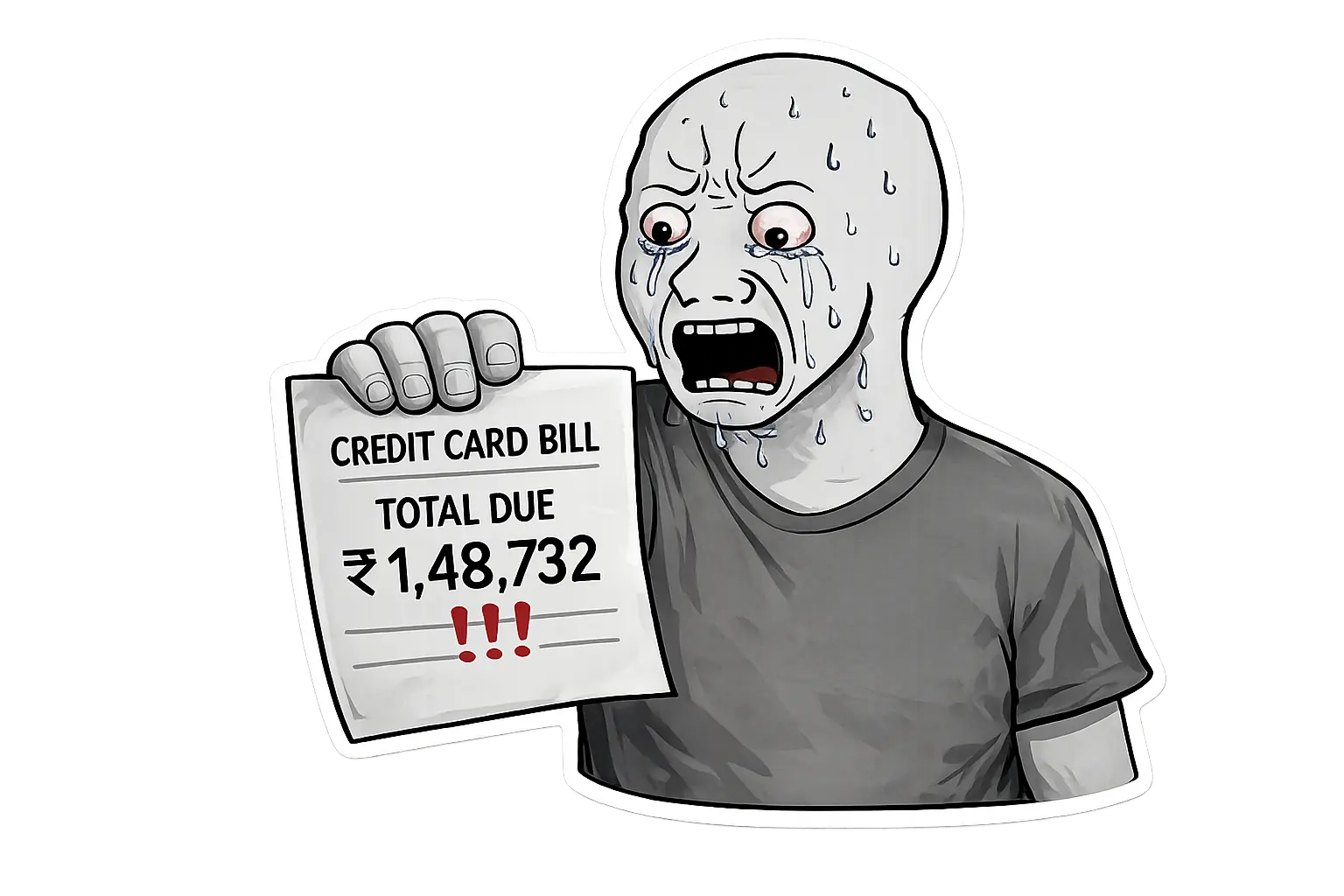
Income is water from the tap; wealth is water captured in the bucket. Earn ₹1,00,000 a month and spend ₹1,00,000 to look rich, and your bucket has a hole — 'high income, low retention', one missed paycheck from disaster. The rule: assets put money INTO your pocket (dividend stocks, rental property, upskilling); liabilities take it OUT every month (car loans, credit-card debt, depreciating gadgets).
3. Compounding — the 8th wonder
₹1,000 today is worth far more than ₹1,000 next year, because today's money can be invested now while future money is eaten by inflation. Compounding means earning returns on your returns — a snowball rolling downhill. The first years feel painfully slow; over 15–30 years the curve goes vertical.
“Start small at 20 and you'll likely retire wealthier than someone investing triple the amount from 35. The secret isn't capital — it's uninterrupted time in the market.”
4. Cash flow & the 50/30/20 budget
Your future isn't decided by gross income but by cash flow (money in minus money out). A budget isn't a prison — it's a map that tells your money where to go. On a ₹50,000 salary:
- 50% Needs (₹25,000) — rent, groceries, utilities, basic transport.
- 30% Wants (₹15,000) — dining out, subscriptions, hobbies, clothes.
- 20% Savings & Investments (₹10,000) — your shield and freedom fund.
“Most people spend first and save what's left. The wealthy flip it: invest first, spend what's left.”
5. The saving pyramid
- Income — upskill to raise your primary earning power.
- Disciplined saving — avoid lifestyle inflation as your salary rises.
- Emergency fund — 3–6 months of expenses in liquid cash BEFORE investing a rupee.
- Investing — deploy surplus into index funds, mutual funds, real estate.
- Wealth & freedom — passive yield fully covers your living expenses.
6. Banking, debt & leverage
A bank isn't a vault — it's a middleman. It takes your deposit, pays you ~4%, and lends it out at ~9%; the gap is profit. The RBI steers the whole economy through the repo rate: raise rates to cool inflation, cut them to boost growth.
In a UPI world the 'pain of paying' has vanished — tapping a phone doesn't hurt like cash, so people overspend. That's BAD debt: borrowing to buy depreciating things. The wealthy use GOOD debt as leverage — put 20% down on a ₹50 lakh property, borrow 80%, and let the tenant's rent pay the EMI while the asset appreciates.
7. Protect, then grow
Build a portfolio for ten years, then face one big hospital bill with no health insurance, and a decade of saving is wiped out. Insurance doesn't make you rich — it stops you becoming poor overnight. Get a Mediclaim policy and pure Term Life cover, and never mix insurance with investment (ULIPs, endowments) — the returns are usually terrible.
Then go on offense. Money in a savings account loses to inflation; FDs are safe but barely keep up. Buying a stock isn't gambling — it's owning a slice of a real, cash-producing business. Survive volatility through diversification: domestic equity, international equity, gold, real estate.
“Budgeting is your map, saving is your vehicle, investing is your fuel — and freedom is the destination. Retirement isn't an age; it's the moment your assets cover your lifestyle.”